
Controversial Blackpool, Wyre, and Fylde council merger is real opportunity, says councillor
"For the first time, the whole Fylde Coast will be able to plan strategically as one area. That creates opportunities.”
The controversial merger of Blackpool, Wyre and Fylde councils presents some real opportunities, says a leading councillor.
Cllr Paul Galley, leader of the Conservative opposition, says that while he has concerns over the way the reorganisation has been imposed, he welcomes the chances it can offer.


The Government decision to choose the option linking all three Fylde councils together for the first time has proved highly contentious.
Wyre and Fylde councils have always opposed the principle of any merger, while Blackpool Council Leader she was disappointed with the option chosen. Blackpool Council’s prefered choice was a merger with Preston, Fylde and the side of Wyre which is west of the river.
Additionally. Fylde MP Andrw Snowden raised fears about the council inheriting Blackpool’s debt, which provoked a strong response from Cllr Williams.
The merger would see Labour-led Blackpool merging with two Conservative-led authorities.
Deliver better services
Cllr Galley said of the changes, scheduled to officially come into effect on April 1, 2028: “Whilst we disagree with the way Local Government Reorganisation has been managed and believe such a significant constitutional change should have had a clear democratic mandate, the decision has now been made.
“Our priority must be ensuring the new authority delivers better services, stronger economic growth and better value for residents across the Fylde Coast.
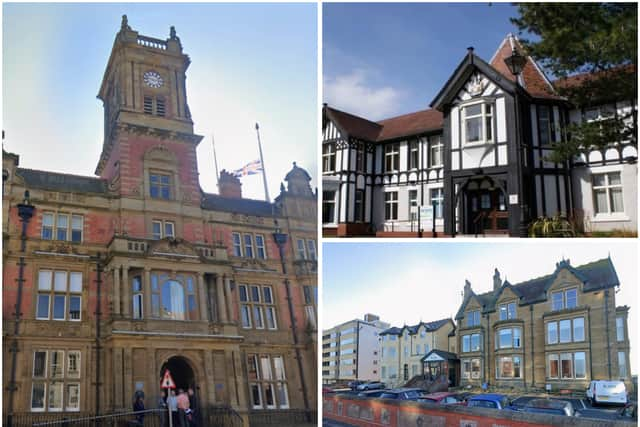
"For the first time, the whole Fylde Coast will be able to plan strategically as one area. That creates opportunities which have previously been difficult to achieve because three separate councils often had different priorities.
"One of the biggest opportunities is transport and infrastructure. A single authority should be able to coordinate investment far more effectively, from supporting the dredging of the Wyre Estuary to help Fleetwood once again develop as a major commercial port, to delivering extensions to Blackpool's tramway and progressing the long-discussed South Fylde rail loop line.
“Together, these projects have the potential to strengthen the economy of the entire Fylde Coast, creating jobs, attracting investment, improving connectivity and bringing more visitors to the area.”
However, Cllr Galley said the scale of the task ahead could not be underestimated.
He said: “Bringing together three councils with different systems, policies and services will be a significant challenge.
“There are already examples of neighbouring communities receiving different levels of service simply because they sit in different council areas, whether that is different street lighting standards, different waste collection arrangements or access to tips.
“These differences will need to be harmonised fairly and efficiently."
He believed the greatest challenge would be tackling the inequalities that exist across the new authority.
Blackpool continues to face some of the country's lowest life expectancy, a highly seasonal economy, comparatively low council tax yields and a council burdened by exceptionally high levels of debt.
He said: “These long-standing issues cannot simply be inherited—they must be addressed if the new authority is to succeed.
“The success of the new council will ultimately be judged not by changing boundaries, but by whether it improves people's lives.
“If we seize this opportunity to strengthen public services, grow the economy and deliver major infrastructure projects that benefit the whole Fylde Coast, then this reorganisation can become a success despite the flawed process that brought it about."