
Government to give Blackpool a share of £10M to improve access to healthy and affordable food

Blackpool Council will receive £222,000 to develop solutions that meet local needs, putting decision-making and resources directly in the hands of local leaders who know their communities best.
Blackpool is set to get a share of £10million to improve access to healthy, affordable food in areas with the highest levels of deprivation.
£10million will be invested in 45 communities across England to improve access to healthy and affordable food, helping families and communities get the room to breathe they need on the cost of living.
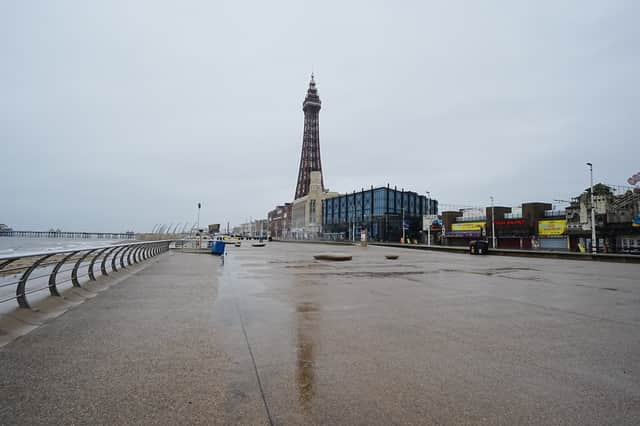

The new funding will be provided to 45 local authorities, including Blackpool, identified as having the greatest levels of deprivation and childhood obesity.
Each local authority will receive £222,000 to develop solutions that meet local needs, putting decision-making and resources directly in the hands of local leaders who know their communities best.
Funding could support initiatives such as community food shops, mobile greengrocers, lunch clubs, community kitchens, and cooking and nutrition programmes, as well as helping local authorities strengthen their capacity to plan for and meet local food needs.
Blackpool Council already works closely with schools, community groups and third sector partners to tackle food poverty and food insecurity, helping vulnerable groups including families, pensioners and people on low incomes.
This includes funding free school breakfasts for every primary school child that needs it and delivering a comprehensive holiday activities and food programme (HAF). The council also supports community-led initiatives like food banks and community groceries through the Household Support Fund and Crisis and Resilience Fund.
Cllr Lynn Williams, Leader of Blackpool Council, said: “We’re really pleased to be given this extra funding to help those with the greatest need to better access affordable, healthy food. The money will allow us to build on our existing approaches and partnerships locally.
“We already provide free breakfasts to set children up for a good day at school, and support grassroots groups feeding those in need. Often the food given out is just one facet of a wider support offer that really makes a difference.
“Initiatives like lunch clubs for the elderly or cookery classes for parents not only provide food but give people access to important things like social activities and skills building too.
“We’ll now explore how best to use the money, to build capacity locally and fund approaches that can increase people’s resilience in ways that reduce reliance on emergency provision and improve our residents’ health and wellbeing long-term.”
The investment responds to stark figures: 9% of people lived in food insecure households in 2024/25, while children living in the most deprived communities are significantly more likely to experience obesity and related health inequalities.
The intervention comes as the government acts to give people more room to breathe by improving access to affordable food, while delivering power to communities.
This programme has been developed following the work of the Citizen’s Advisory Council, and conversations with civil society organisations, to understand what would work best for local communities.
Alongside government funding, the programme will work with businesses, charities and philanthropy to build on existing community projects, reach more people and bring additional funding into local areas.
Through the Government’s Good Food Cycle, the programme will help communities access healthier food and build a more resilient future.
Cllr Matthew Thomas, cabinet member for public health, said: “We know that in Blackpool food insecurity, health inequalities and more limited access to quality, nutritious food are all challenges faced by many of our residents.
“In many cases, the challenge is availability as much as affordability, so we already support community-led programmes that improve access to fresh, quality food. These issues can have far-reaching consequences, impacting people’s health and wellbeing and life chances so we’re pleased to have extra funding in place to tackle these issues.”
Enjoy unlimited access to local news, the latest football stories and new puzzles every day
With a digital subscription, you can see fewer ads, enjoy faster load times, and get access to exclusive newsletters and content. Click here to subscribe
The recipient councils include:
• Ashfield District Council
• London Borough of Barking and Dagenham Council
• Barnsley Metropolitan Borough Council
• Bassetlaw District Council
• Birmingham City Council
• Blackpool Council
• Bolsover District Council
• Boston Borough Council
• Burnley Borough Council
• City of Bradford Metropolitan District Council
• City of Doncaster Council
• Enfield London Borough Council
• Fenland District Council
• Gloucester City Council
• Great Yarmouth Borough Council
• Royal Borough of Greenwich
• Halton Borough Council
• Harlow Council
• Hartlepool Borough Council
• Hull City Council
• Knowsley Council
• City of Lincoln Council
• Liverpool City Council
• Luton Borough Council
• Manchester City Council
• Mansfield District Council
• Middlesbrough Council
• Newcastle-under-Lyme Borough Council
• Newham Council
• North East Lincolnshire Council
• North Lincolnshire Council
• Nottingham City Council
• Pendle Borough Council
• Peterborough City Council
• Rossendale Borough Council
• Rotherham Metropolitan Borough Council
• Salford City Council
• Sandwell Council
• South Tyneside Council
• Sunderland City Council
• Walsall Council
• Wolverhampton City Council
• Stoke-on-Trent Council
• Slough Borough Council
• South Holland District Council