
Heatwave warning for pet owners as cats and dogs struggle in rising temperatures
As the UK heatwave continues pet owners are being urged to take extra care when walking dogs.
Animal welfare charities are warning that hot pavements and rising temperatures can quickly lead to heatstroke and serious injury.
Pet owners across the Blackpool area are being reminded to take extra precautions during the current heatwave with experts warning that even routine dog walks can become dangerous in high temperatures.
Avoid the hottest parts of the day
Animal welfare organisations including the RSPCA and Cats Protection are advising owners to avoid walking dogs during the hottest parts of the day, typically between late morning and mid-afternoon when heat and humidity are at their peak.
Instead, early mornings or late evenings are considered the safest times for exercise, when both air and ground temperatures are lower.
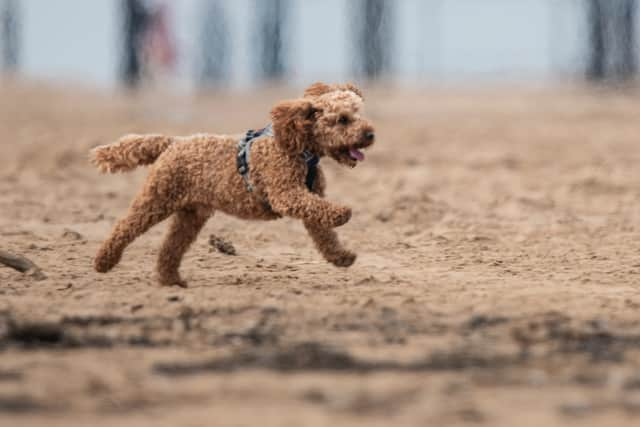

Hot pavements post serious risk
Charities stress that hot pavements can cause painful burns to dogs’ paw pads within seconds.
A simple check is to place the back of your hand on the ground - if it’s too hot to hold for several seconds, it is too hot for a dog’s feet.
Signs of heatstroke in dogs
Even short walks in extreme heat can quickly lead to overheating with symptoms such as excessive panting, drooling, lethargy and collapse requiring urgent veterinary attention.
Signs to look out for include:
- heavy panting
- excessive drooling
- lethargy
- drowsiness
- uncoordinated movements
- collapsing
- vomiting
All the latest news and top stories from across Blackpool and the Fylde coast directly to your phone.
Never miss a thing.Click here to join
Dogs and Flystrike
Flystrike is a painful and sometimes fatal condition caused by flies laying their eggs on another animal.
These hatch into maggots, which eat the flesh of their 'hosts'. In warm weather, check your pet all over their body, especially around their rear end and tail area, at least twice a day.
Flat-faced dogs
Brachycephalic (flat-faced, or ‘brachy’) animals are at a greater risk in hot weather, including being very vulnerable to heatstroke'. If you have a flat-faced dog – such as a pug, French bulldog, shih tzu or boxer – take extra care to keep them cool.
Signs of sunburn in cats
All cats can get sunburn, but cats who are white or have thinner fur are more at risk. Being out in the sun a lot can lead to skin cancer, so it’s important to make sure your cat doesn’t spend too long lazing in the sun.
Ears and noses are where your cat is most likely to get burnt. Keep an eye on them and make sure they have plenty of access to shady areas.
If your cat does get sunburn, there are a couple of symptoms to look out for, including:
- red, sore skin in the affected area
- blistering and peeling
You can put sunscreen on your cat, but you need to make sure it’s pet-safe first so speak to your vet about the best product to use.
Signs your cat is dehydrated
It’s important for your cat to get enough water. This can be through drinking and through eating wet food.
Signs your cat is dehydrated include:
- their gums. If your cat’s gums are sticky or tacky, this may be the first sign of dehydration
- their skin. Very gently pinch their skin. In a well-hydrated cat, the skin should snap back into place immediately. If it doesn’t, they could well be dehydrated
- their eyes. Severely sunken eyes that appear dry can indicate significant dehydration
- their paws. If their paws feel cool or cold, this could be a sign of dehydration
Safer ways to keep pets cool
Owners are urged to provide shade, fresh water, and cooling mats, and to avoid trapping heat with wet towels placed over dogs.
Skipping walks in extreme temperatures is safer with indoor enrichment recommended until conditions improve.