
Blackpool North beach fails water quality test after being rated 'poor'
Blackpool’s main beach is one of a growing number of official swimming spots in England to fail water quality tests, worrying new data shows.
The study found that Blackpool north was rated ‘poor’ after failing to meet the minimum standards for water quality, as concerns about widespread pollution are raised.
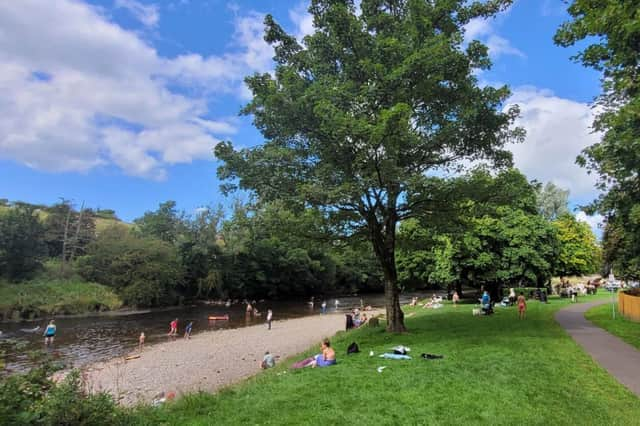
Also among those in Lancashire to fail was the county’s newest bathing and outdoor swimming site in Edisford Bridge near Clitheroe, similarly rated ‘poor’.


Despite achieving Bathing Water Status earlier this year, The Ribble Rivers Trust, - which made the application - says there is now an urgent need for action, or it risks losing its status after evidence of E coli was found.
Two thirds of the bathing sites newly designated in 2024, many of them rivers and other inland swimming spots, were branded as failing in the official assessment by the Environment Agency.
They also included popular North West destinations such as Coniston Water and Derwent Water in the Lake District.
Some 450 bathing waters were regularly tested for harmful bacteria throughout the summer swimming season from May to September, and assessed as being excellent, good, sufficient or poor based on the last four years of data.
The assessment found 37 sites – 8.2% of the total – were rated poor for water quality in 2024, nearly double from 4.3% in 2023, and the highest since the current rating system was introduced in 2015.
The figures show 91.8% met at least the minimum standards for clean water while 64.2% reached the “excellent” standards, slightly down on last year.
Officials said the shifts were partly due to the existing water quality of the 27 new bathing waters designated at the start of the season, which have not been previously monitored or managed as official swimming spots.
Of the new sites, 18 were rated poor in their first year of testing.
The figures also reveal a big disparity in water quality between coastal bathing waters, where 95% met the minimum standards, and inland waters such as rivers, where only half (53%) were classed as sufficient or better.
Findings ‘unacceptable’
Water Minister Emma Hardy described the findings as “unacceptable” and Environment Agency chairman Alan Lovell said they showed there was still much work to do to tackle pollution, while critics called for an overhaul of the monitoring programme and wider water system.
The figures come amid a consultation on a shake-up of the system, including removing the fixed summer “season” to account for the rising trend in cold water swimming, expanding the definition of “bathers” to cover other water users such as surfers, and testing at multiple points of a site.
It forms part of Government efforts to address widespread public anger over the polluted state of England’s rivers, lakes and seas, including designated inland and coastal bathing spots.
Officials say water pollution at designated bathing waters comes from a range of sources including sewage, agricultural and road run-off and even dogs and wildlife such as seagulls, while the results are also weather-dependent, with heavy rain washing pollutants into the water.
The monitoring system has faced criticism from campaigners for failing to test popular swimming sites out of season, only monitoring once a week at a single spot on a beach, and for being able to discount some samples if they are taken during short-term pollution events or highly unusual conditions.
Giles Bristow, chief executive of Surfers Against Sewage, said the bathing water classification regime “isn’t just inadequate, it’s misleading and needs radical reform”.
He called for the consultation to deliver a year-round bathing season to reflect how people used their local waters, with year-round testing, multiple monitoring points and testing for a wide range of pollutants.
River Action chief executive James Wallace said the results were an “international embarrassment”.
He said: “The Government’s own data shows that swimming in our inland bathing sites poses serious health risks, highlighting the failure of regulators to protect waterways from polluters.
“Awarding bathing water status should ensure that water companies clean up their act urgently,” he said, calling for all bathing sites to have an automatic change to permits requiring water companies to remove bacteria and other pollutants such as PFAS – “forever chemicals” – and drugs.
A spokesperson for Water UK which represents water companies said the quality of English bathing water remained high, in stark contrast to the 1990s when less than a third of waters would have met current standards.
“However, any drop in standards is a cause for concern and we agree with the Environment Agency that further action is needed to improve bathing water quality.”