
As Blackpool South MP, I fear the major welfare reforms will worsen child poverty in my constituency

Blackpool South MP Chris Webb has expressed concerns over the potential impact of the Government’s major welfare reforms on child poverty levels.
The Government has described the proposed benefit reforms - seen as the biggest shake-up to the welfare system in a generation - as creating a “pro-work system.”
However, charities have condemned the reforms, calling them “immoral and devastating” for the people they represent.


They warn that the changes could “push more disabled people into poverty.”
Work and Pensions Secretary Liz Kendall argued that the current social security system is “failing the very people it is supposed to help and holding our country back.”
Prime Minister Sir Keir Starmer added that it would be “morally bankrupt” to leave people “trapped out of work and abandoned by the system.”
Kendall said the Government was taking “decisive action to fix the broken benefits system” and emphasised the need for a “more pro-active, pro-work system for those who can work.”
The reforms are expected to save £5 billion, primarily through changes to eligibility for the personal independence payment (PIP) and a reduction in the health element of universal credit.
Hundreds of thousands are expected to be affected by the changes to Pip eligibility.
The Government also announced it would invest an additional £1 billion annually by 2029/2030 to support people into work, including one-to-one assistance.
However, these changes have sparked outrage among Labour MPs, unions and charities.
Chris Webb, Labour MP for Blackpool South, highlighted that nearly half of the children in his constituency live in poverty.
He said: “I really worry about the child poverty numbers that these measures could impact on.”

His Labour colleague Mohammad Yasin (Bedford) expressed concern over the support being withdrawn.
“I agree with the Government that welfare reform is necessary, but many of my constituents are very worried about support they rely on being removed,” he said.
“What is the Government doing to address the root causes of people being unable to work, rather than just focusing on symptoms?”
Work and Pensions Secretary Liz Kendall responded, saying: “We are precisely focusing on the root causes.
“What more we can do to change the world of work, how we can get people back to health and work, how we can give people the skills that they need. Tackling disincentives in the benefit system.”
Kendall added: “I’m not interested in tinkering around, it’s too important for people and life is short. I want to get this right, tackle the root causes, and put this country on a pathway to success.”
The change to a single Pip assessment could risk moving 600,000 people from the health element of universal credit to the standard rate, making them worse off by at least £2,400 annually by 2028, according to the IFS.
The IFS also stated that while the long-term plan to scrap the work capability assessment could motivate more people to claim PIP, it weakens the financial incentive to claim the health element of universal credit.
The Resolution Foundation argued that the changes would result in “tiny gains” for up to four million households - around £3 a week - while causing significant losses for people unable to work or who no longer qualify for disability benefits.
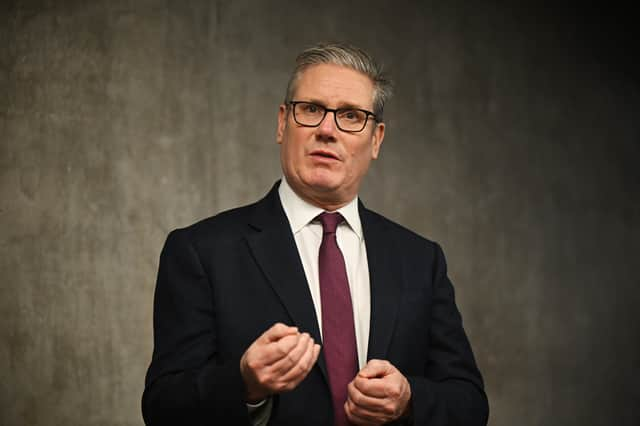
Sir Keir Starmer responded, stating: “This Government will always protect the most severely disabled people to live with dignity.
“But we’re not prepared to stand back and do nothing while millions of people - especially young people - who have the potential to work and live independent lives become trapped out of work and abandoned by the system.
“It would be morally bankrupt to let their life chances waste away.”
The Disability Benefits Consortium, representing over 100 charities and organisations, condemned the “cruel cuts,” while Save the Children expressed concern that the reforms would lead to a rise in child poverty in families with a disabled member.
Kendall said: “This is a significant reform package that is expected to save over £5 billion in 2029/30.
“The Office for Budget Responsibility will set out their final assessment of the costings next week.”
Reports had suggested there was unease within the Cabinet, with ministers including Deputy Prime Minister Angela Rayner and Energy Secretary Ed Miliband expressing concerns privately.
However, a spokesperson for the Prime Minister insisted that the Cabinet was united on the need for reform.
“The whole Cabinet agreed on the need for these reforms,” the spokesman said, emphasising the importance of addressing a system that has left people trapped out of work and is not supporting people back into employment.
The Office for Budget Responsibility has forecast that spending on health and disability benefits for working-age adults will rise from £48.5 billion in 2023/24 to £75.7 billion in 2029/30.
This announcement comes ahead of the spring statement, as Chancellor Rachel Reeves faces challenges in balancing the books amidst weak economic growth and rising debt interest costs.