
Anger at £530m savings required in health care including Blackpool after town was 'lumped in' with new system
The need for multi million pound savings in healthcare spending across Lancashire including Blackpool has prompted calls for someone to be held accountable for the failings.
The trust which runs Blackpool Victoria Hospital is among those facing special financial measures after it was revealed the Lancashire and South Cumbria Integrated Care Board (ICB) has to make more than £530m in efficiency savings this financial year, potentially cutting some services.
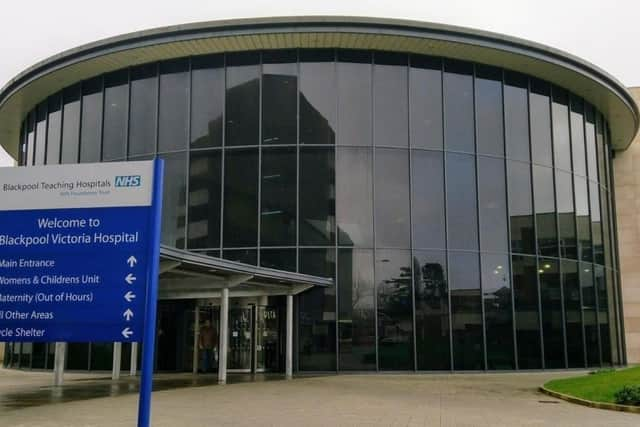

Members of Blackpool Council’s Adult Social Care and Health Scrutiny Committee said the crisis was ‘a huge concern’, adding they had previously warned about Blackpool being part of such a large organisation.
Health services were absorbed into the Lancashire and South Cumbria ICB in 2022 as part of a shake up designed to link up NHS services and social care.
Committee chair Coun Kim Critchley said: “It is really disappointing the ICB has been in place for only two years and this has happened. But we have to look forward and have reassurances.”
She said it felt like Blackpool had been ‘lumped in’ with other areas, and many residents “still can’t get a doctor’s appointment or a dentist”.
Coun Jon Bamborough said the committee felt there should be more accountability for the financial failings, while Coun Gerard Walsh said councillors were “concerned about what has gone on behind the scenes.”
He added: “Two years down the line, we have lost money with more financial implications and we don’t know what’s going on.”
Karen Smith, director of adult services at Blackpool Council and director of health and care integration at the ICB, told the meeting there had already been “a significant budget gap” when the ICB took over running services.
She said the Covid pandemic had increased pressure on health services which was initially met by extra funding, but when those grants dried up the demand for care still remained.
Ms Smith said the ICB had boosted health care over the last two years with new initiatives such as a respiratory infection service at the walk in centre.
Dr Neil Hartley-Smith, clinical director at the ICB and a Blackpool GP, said he did not think the financial crisis would impact front-line services.
He told councillors: “I don’t think there will be anything that impacts emergency provision or primary care provision.”
He said services needed to be reorganised to save money, while situations such as people failing to attend appointments and visiting the walk in centre when they did not need to see a doctor, needed to be addressed.
Kevin Lavery, Lancashire and South Cumbria ICB chief executive, said in a statement: “We take responsibility for the challenges we face in Lancashire and South Cumbria and recognise that there is more to be done in relation to our financial position.
“We will continue to work in partnership with NHS England and our partners across the system to deliver changes and make improvements. Despite the hard work of colleagues across our system, we have unfortunately not made the improvements that we had hoped to by this point.”