
Air quality findings at controversial Fleetwood landfill site released - this is what Transwaste say

Air quality was within the UK guidelines in Fleetwood - latest monitoring has found.
Air quality monitoring in Fleetwood has consistently recorded within official guidelines say Transwaste, the operators of the controversial Jameson Road landfill site in Fleetwood.
All the latest news and top stories from across Blackpool and the Fylde coast directly to your phone
Never miss a thing.Click here to join
Through a period of 609 days from May 9 2024 to January 7 2026, the indepedent study undertaken by the Enviornment Agency found the concentrations of key air pollutants - hydrogen sulphide, sulphur dioxide, methan and particulate matter - met the UK standard.
Those regulations were within parametres set by the World Health Organisation, Air Quality Standards Regulations 2010 and Air Quality Strategy limits in the UK.
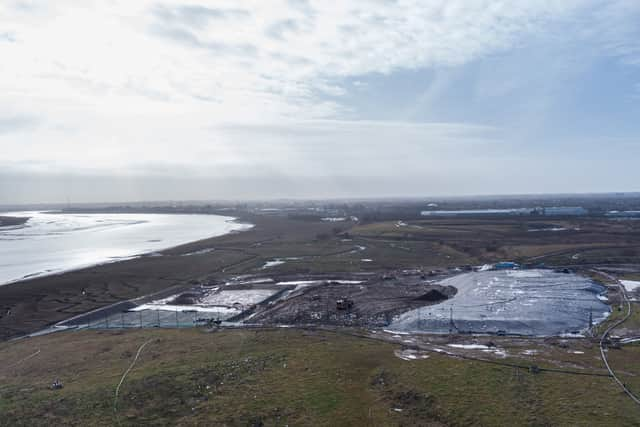

Andrew Acum fromTranswaste said: “Across this sustained monitoring campaign, levels of hydrogen sulphide were below WHO health-based thresholds designed to protect against health effects.
“Even at the WHO odour annoyance level, the air quality was below the threshold for annoyance for 99.5% of the study period.
“Similarly, sulphur dioxide concentrations remained within safety limits, showing no indication of sustained exceedances that could pose a health risk.
“In fact, the highest SO2 concentrations were measured when the wind was blowing from the north and were caused by a short-duration volcanic eruption that originated in Iceland.”
The firm - which has been targeted by protestors who say the toxic smell from the site is causing health issues - confirm the independent results underline Transwaste’s commitment to responsible environmental management.
“We are closely regulated by the Environment Agency and we fully comply with all applicable monitoring, reporting and control requirements.
“The air quality monitoring outcomes provide clear, science-based evidence that air quality around the site remains in compliance with recognised health-based standards, demonstrating that robust operational controls are effective even within an industrial setting, and directly contradicting claims made by objectors that they are being “poisoned”.
“We remain committed to transparent communication with regulators, stakeholders and local communities, and supports ongoing air quality oversight.
“We will continue to work collaboratively with the Environment Agency to ensure continued compliance and environmental protection.”