
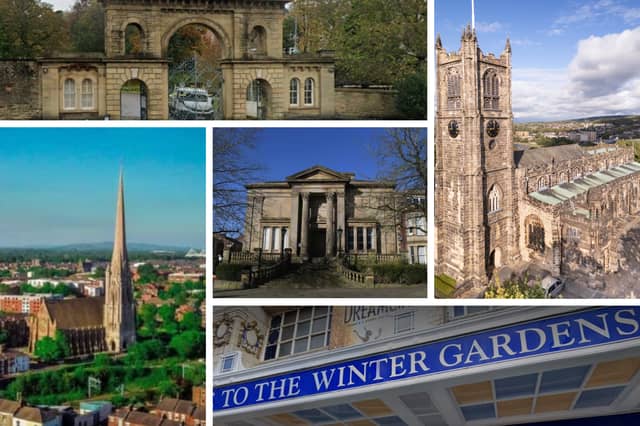

A new At Risk Register for 2025 has been released today, containing dozens of entries across Lancashire - from churches, to mills, statues and stately homes.
One new entry this year is the Grade I listed Priory and Parish Church of St Mary in Lancaster, which has been added due to subsidence affecting the alignment of its south aisle.
To find out more about the current state of some of Lancashire’s landmarks, see the pages below.
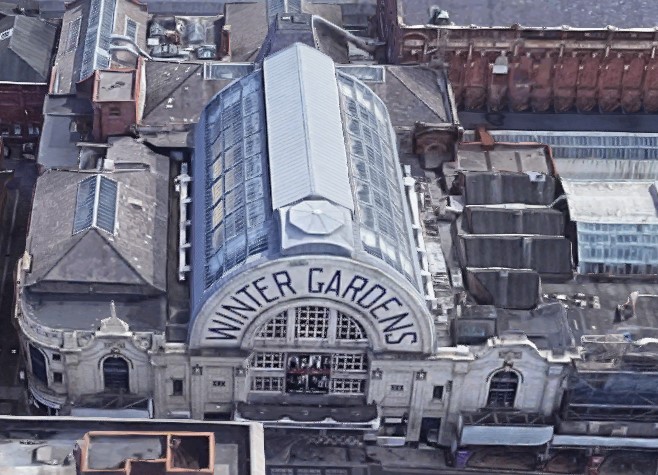
1. Winter Gardens, Church Street, Blackpool
Blackpool's Famous Winter Gardens were suffering from serious neglect when acquired by Blackpool Council in 2010. A major investment programme of repair and refurbishment is now underway. Heritage England rates the Grade II listed building as in poor condition but with an "improving" trend. | Google Maps Photo: Google Maps
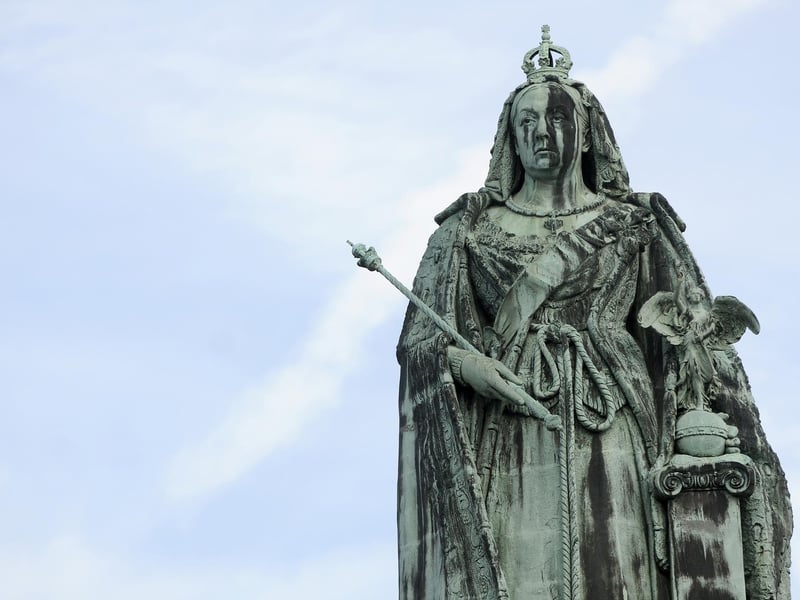
2. Queen Victoria Memorial, Dalton Square, Lancaster
The Queen Victoria Memorial in Lancaster, is a Grade II* listed building in Dalton Square, facing Lancaster Town Hall. It was erected in 1906, being commissioned and paid for by James Williamson, 1st Baron Ashton. It's described by Historic England as being in poor condition and declining. They say it's in 'slow decay with no solution agreed'. Photo: Daniel Martino
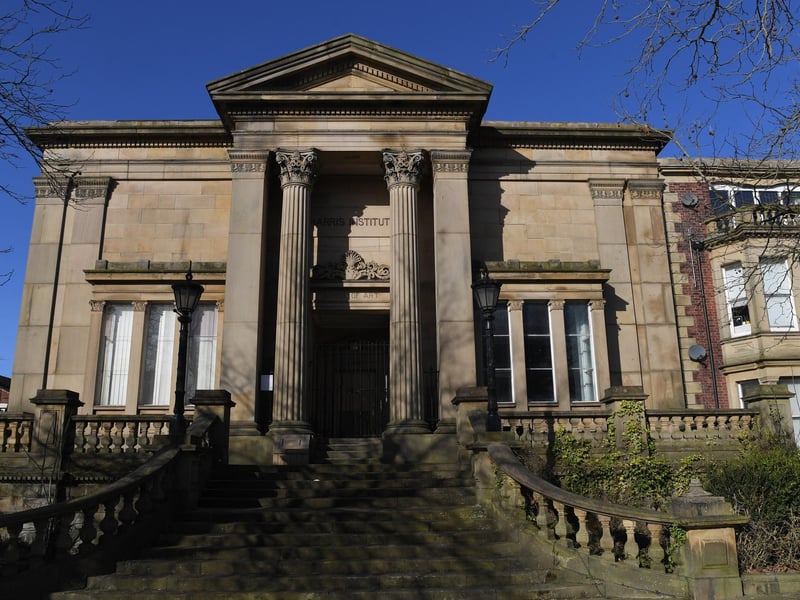
3. The Harris Institute, Preston
The Harris Institute, Avenham Lane: Described as in poor condition and in "slow decline". The register states: "There is a risk that dry rot (which was previously eradicated) could re-establish as the building is unventilated and suffering from water ingress." | NW Photo: Neil Cross
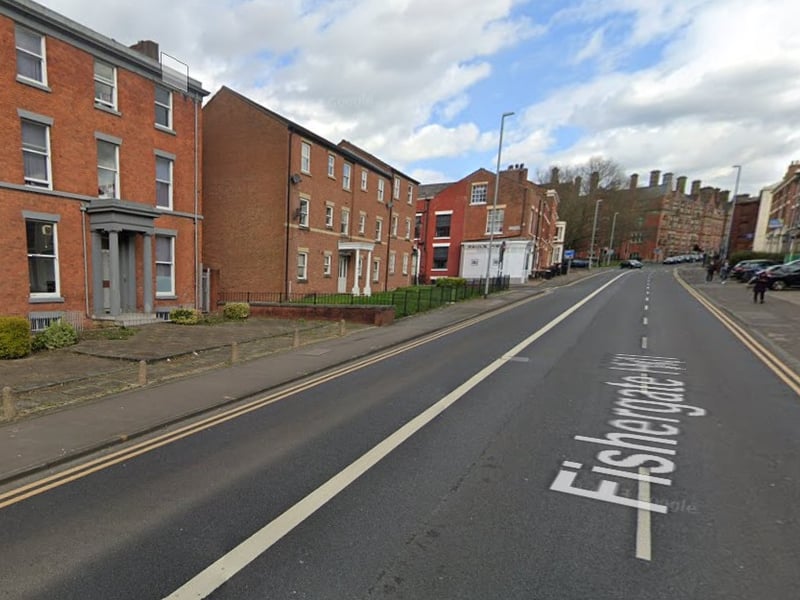
4. The whole of Fishergate Hill in Preston is a conservation area. English Heritage describes its condition as "very bad" and deteriorating.
The whole of Fishergate Hill in Preston is a conservation area. English Heritage describes its condition as "very bad" and deteriorating. | Google Photo: Google
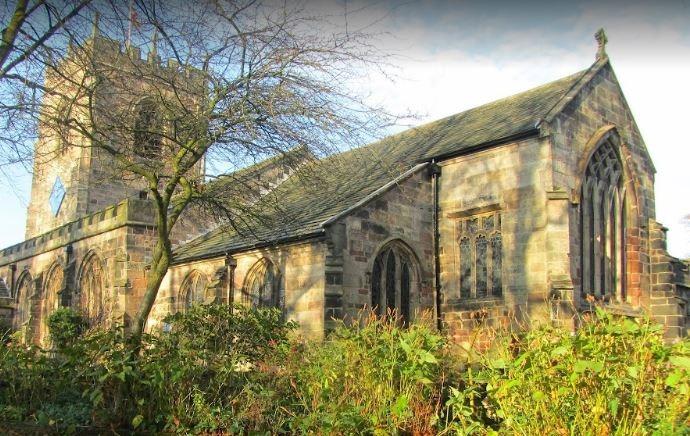
5. Church of St Michael, Church Street, Croston
A Grade II* place of worship, this church is in "poor" condition and declining, at "immediate risk of further rapid deterioration or loss of fabric" despite floor and roof repairs in 2017. | Google Photo: Google
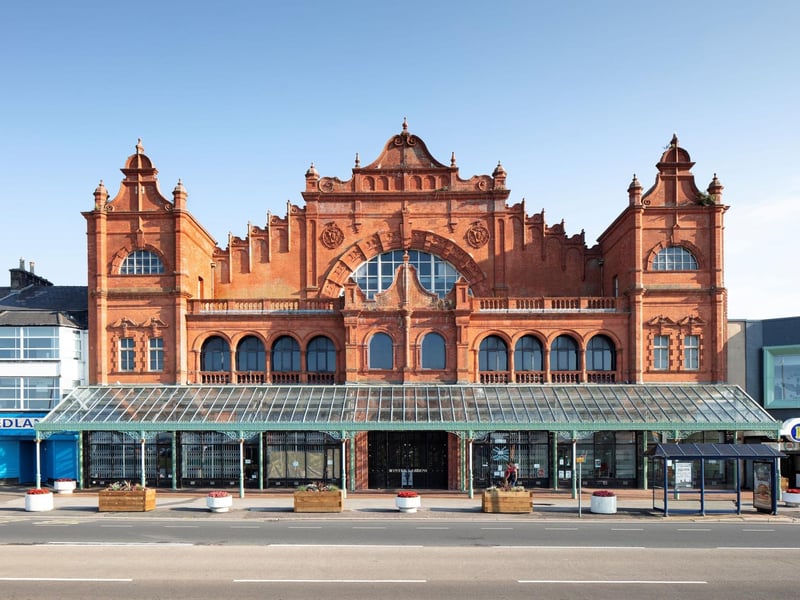
6. Winter Gardens, Morecambe
The Winter Gardens opened in 1897 as the Victoria Pavillion Concert Hall and Variety Theatre, as an extension to the existing Winter Gardens Complex which opened in 1878. Built as both a concert hall and variety theatre, its 2500 capacity was one of the largest in the North West and it quickly became known as the Albert Hall of the North. By the mid-1970s, its fortunes were in decline and by 1977, the decision was taken to close the whole complex, culminating in 1982 with the demolition of the original Winter Gardens leaving only the theatre remaining and in a perilous position. However, a group of dedicated people formed the Friends of the Winter Gardens and have worked together since then with one aim to reopen the building. With the formation of the Preservation Trust in 2006, ownership of the Winter Gardens was transferred to the charitable body who have spent years cleaning, restoring, and fundraising to continue this aim. Now under new governance, the Preservation Trust with the help of its restoration volunteers and the Friends of the Winter Gardens are a step closer to the dream of finally restoring this remarkable Grade II* listed building. It is rated by Historic England as being in "fair condition" with "slow decay". Photo: Submit