
What is botulism, how is it caused and what are the symptoms? After man dies eating broccoli in Italy

Botulism is a rare but life-threatening condition 🥦
- A man has died and nine others are in hospital after eating broccoli in Italy.
- Health officials believe the illnesses are caused by an outbreak of botulism.
- All of the cases have been linked to the same street vendor.
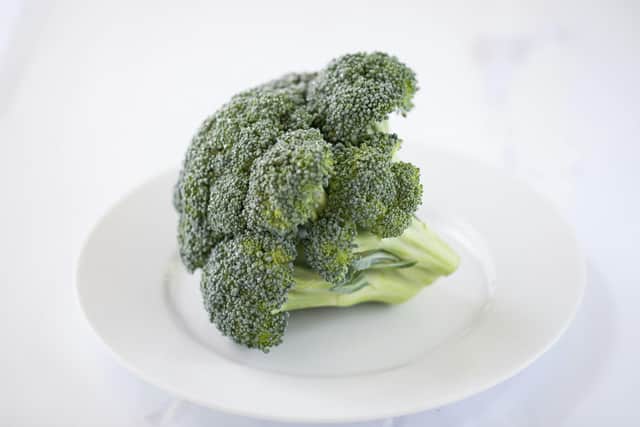
A man has died in Italy after eating a sandwich containing broccoli that has been linked to an alleged outbreak of botulism.
The victim has been named as 52-year-old Luigi Di Sarno. Whilst nine others who ate at the same food vendor have been rushed to the hospital. Two of whom were said to be in a serious condition.
Authorities in the Cosenza Region are ordering a recall of broccoli across the region.
Botulism is a rare but life-threatening condition caused by toxins produced by Clostridium botulinum bacteria. Here is everything you need to know about botulism, cause, signs and symptoms, and how to prevent it.

What is botulism?
Botulism is a rare but life-threatening condition caused by toxins produced by Clostridium botulinum bacteria. The NHS explains that these toxins attack the nervous system and can cause paralysis.
What causes botulism?
Botulism is caused by the Clostridium botulinum bacteria. Found in soil, dust, river, and sea sediments, it is not harmful by itself, but can produce highly poisonous toxins when deprived of oxygen.
There are 3 main types of botulism:
Food-borne botulism
When someone eats food containing Clostridium botulinum bacteria because it has not been properly canned, preserved, or cooked.
Wound botulism
It usually occurs as a result of injecting illegal drugs contaminated with the bacteria into the muscle rather than a vein.
Infant botulism
When a baby swallows a spore from contaminated soil or food, such as honey.
What are the symptoms of botulism?
The symptoms of botulism can develop in a few hours to several days after exposure, with symptoms depending on the type of botulism you have contracted.
Botulism is rare in the UK, but it can be life-threatening. Without treatment, it will eventually cause paralysis that spreads down the body from the head to the legs.
Symptoms of botulism can include:
- drooping eyelids
- blurred or double vision
- facial muscle weakness
- difficulty swallowing (dysphagia)
- slurred speech
- breathing difficulties
Whilst other people will experience nausea, being sick (vomiting), stomach cramps, diarrhoea, or constipation.
How to prevent getting botulism?
The risk of getting food-borne botulism in the UK is low; however, there is a higher risk if you produce and can your own food.
Following food hygiene procedures and canning advice will reduce any risk. It is not advised to eat from cans that are bulging or damaged. You should not eat foul-smelling preserved foods kept at incorrect temperatures or that are out of date.
You can find out more about the signs, symptoms, and treatment options for botulism at NHS.UK.