

These archive photos look back at the routines people used before life moved online, from making calls in public phone boxes and checking Ceefax for scores to collecting developed prints, browsing record shops and searching through phone books for that elusive number.
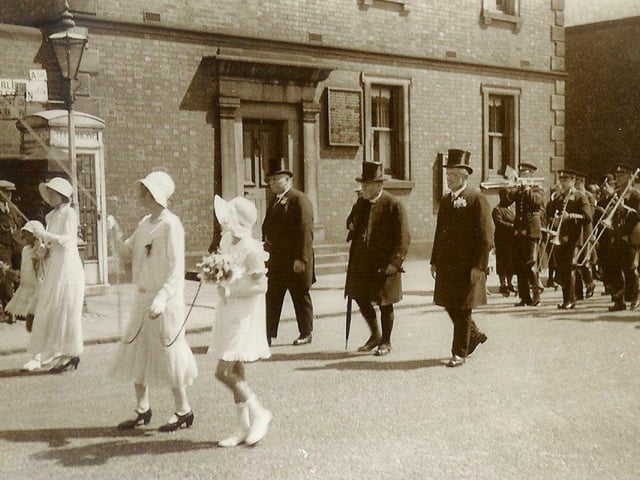
1. Fact of life
By 1932 the phone box, here seen in front of the old Police Station in Croston, had become a familiar sight. Public phones were part of the social infrastructure of everyday life. They are a reminder that communication once depended on finding the nearest working phone Photo: Contributed
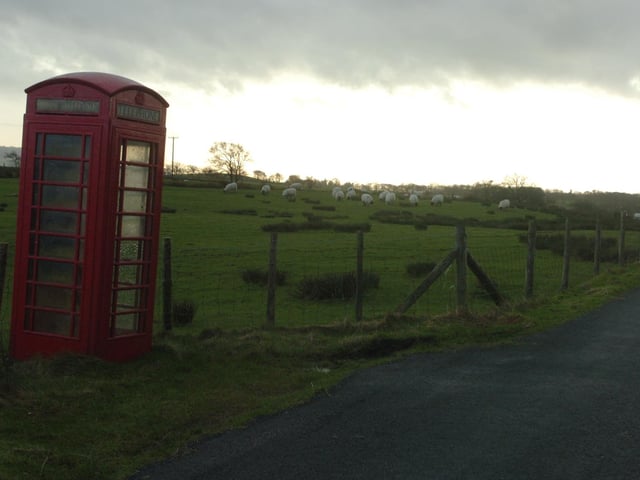
2. Just in case
A splash of red as a lone telephone box stands guard over sheep-filled fields in the valley near Whitewell.Still invaluable if you can't get a phone signal Photo: AS
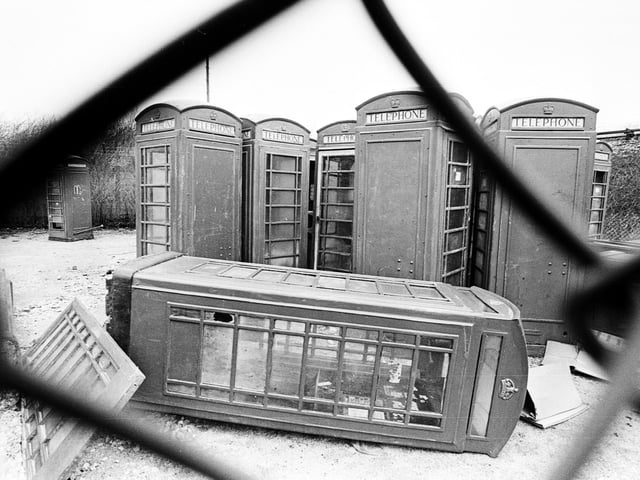
3. Last call
The end of the line for these red phone boxes in the 1980s. As mobile phones spread, many public call boxes became quieter, vandalised or uneconomic to maintain. Once vital street fixtures, they were gradually removed as everyday communication moved from the pavement to the pocket Photo: Gary Brunskill
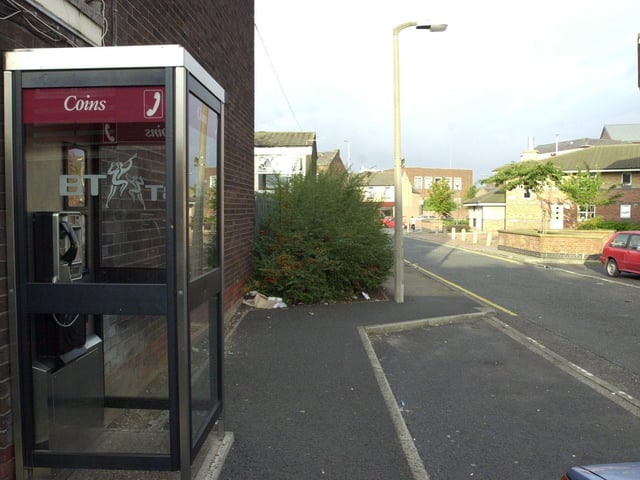
4. Public line
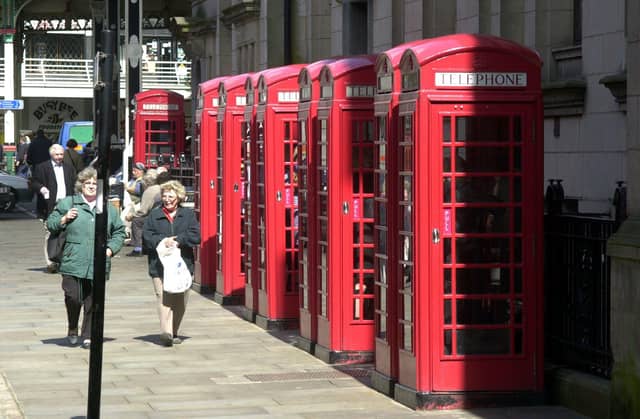
Telephone boxes like this in Edmund Street in Deepdale, seen in 2000, were once a typical sight in Preston Photo: IAN ROBINSON
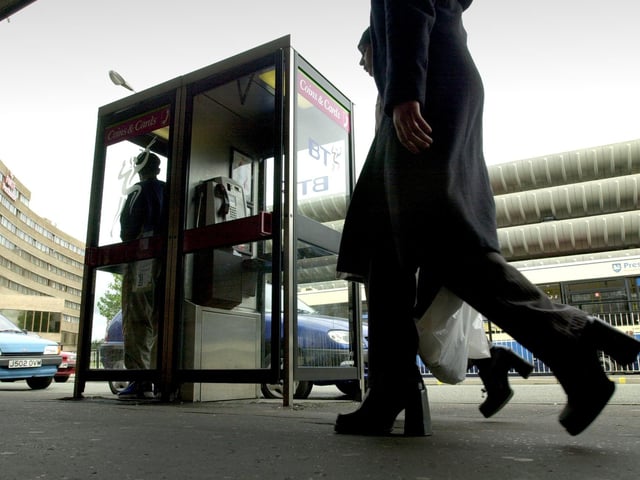
5. Plastic age
By the 1980s, newer public phone boxes began replacing or supplementing the old red kiosks. Their more modern glass-and-metal look reflected a changing Britain: less ornamental, more standardised, and designed for heavier use in busy streets. Photo: Lindsey North
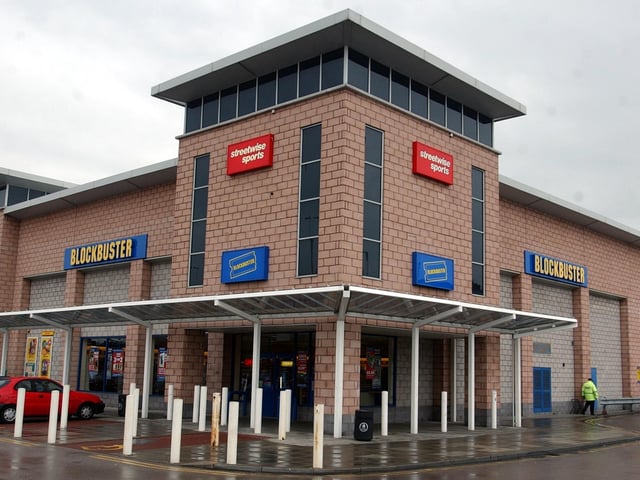
6. Friday nights
Blockbuster, off Corporation Street, Preston. Video rental shops turned choosing a film into an outing. Families and friends browsed shelves, read the backs of boxes, argued over new releases and hoped the tape or DVD they wanted was still in stock. The trip to Blockbuster in Preston was part of the entertainment Photo: Lindsey North