
Blackpool lags behind rest of UK when it comes to productivity, survey says
Blackpool’s workers make £28.65 an hour for the UK’s economy, figures published for the first time reveal.
It means the area’s workforce is less productive than the average across the country – and leaves it a long way behind some parts of London.
A leading policy thinktank said the “productivity output gap” is one of the biggest challenges facing the British economy.
New figures from the Office for National Statistics show Blackpool had a gross value added of £28.65 per hour worked in 2018.
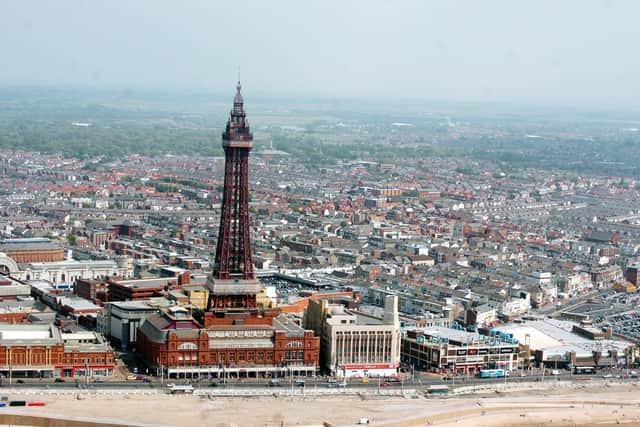

It was an increase of 3 per cent on 2017, and means the area is below the UK average of £35.03 per hour.
GVA is the final value of the goods and services produced in an area and is used to measure contribution to the national economy.
The North West as a whole has an average GVA of £32.20, making it the fifth-most productive region in Britain.
However, Blackpool lags behind Cheshire East (£42.24) and some other parts of the North West – along with many areas in the capital.
The borough of Hounslow was named the most productive place in Britain, with a GVA per hour of £63.24.
Taul Swinney, director of policy and research at urban policy research unit Centre for Cities, said: “The productivity output gap between northern and southern cities is one of the biggest challenges facing the British economy.
“While cities and large towns in south-eastern England are among the most productive places in Europe, those in the north lag far behind.
“Addressing this disparity should be central to the Government’s levelling up agenda. Transport investment within big cities will be important, and so will spending on adult education to upskill the workforce.”
The ONS says that areas with high labour productivity will usually be home to a major manufacturing site or a large utility sector, and those with low productivity are typically more rural or isolated places.
A spokesman for the Department for Business, Energy and Industrial Strategy said: “This Government remains absolutely committed to the Northern Powerhouse and levelling up growth across the whole country to drive productivity, empower communities and rebalance opportunity.”